Casting in the Concrete Jungle: A Low-Impact Guide to Urban Fishing
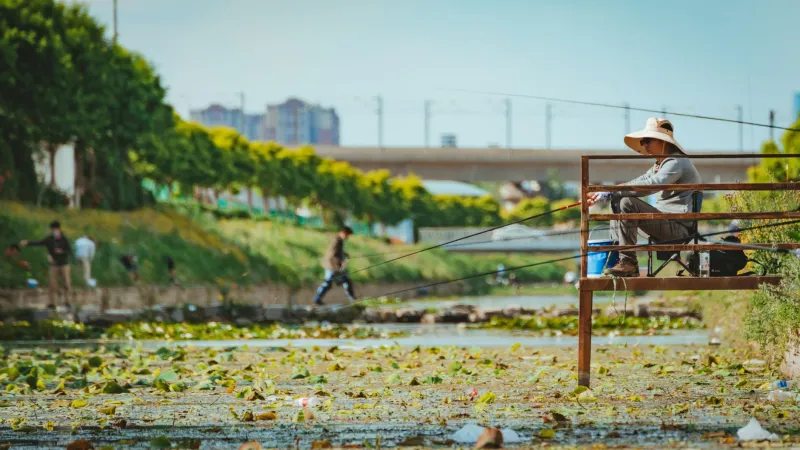
You don't need to drive four hours into the backcountry to find a legitimate fishing experience. Tucked behind strip malls, threaded through city parks, and pooling beneath highway overpasses, urban waterways hold surprising populations of bass, catfish, carp, trout, and more—waiting for anglers willing to look past the concrete. But fishing these spots comes with a responsibility that backcountry trips don't always demand: urban ecosystems are fragile, heavily pressured, and often quietly recovering. How you show up matters.
This isn't about being precious. It's about fishing smart in environments where every boot print, every snapped root, and every piece of lost tackle adds up fast.
What's Actually Living in Your City's Water
Urban waterways get a bad rap, and honestly, some of it's earned. Runoff, legacy pollution, and reduced habitat complexity are real challenges. But the story is more complicated—and more hopeful—than the reputation suggests.
Over the last two decades, cities across the US have invested seriously in waterway restoration. The Los Angeles River, once a concrete flood channel, now supports over 30 native fish species in restored stretches. Chicago's lakefront harbors seasonal walleye and salmon runs that draw serious anglers from across the Midwest. Denver's South Platte corridor has become a legitimate urban trout fishery. These aren't anomalies. They're the result of sustained restoration work, and recreational anglers are a big part of what funds it.
State fishing license revenue flows directly into habitat restoration through the Federal Aid in Sport Fish Restoration Act—commonly called Dingell-Johnson. Every license you buy, every rod you register, every excise tax on tackle feeds a fund that rebuilds the exact ecosystems you're fishing. Urban fisheries, often overlooked in that funding conversation, benefit enormously when local anglers stay engaged and licensed.
The Low-Impact Approach Starts Before You Hit the Water
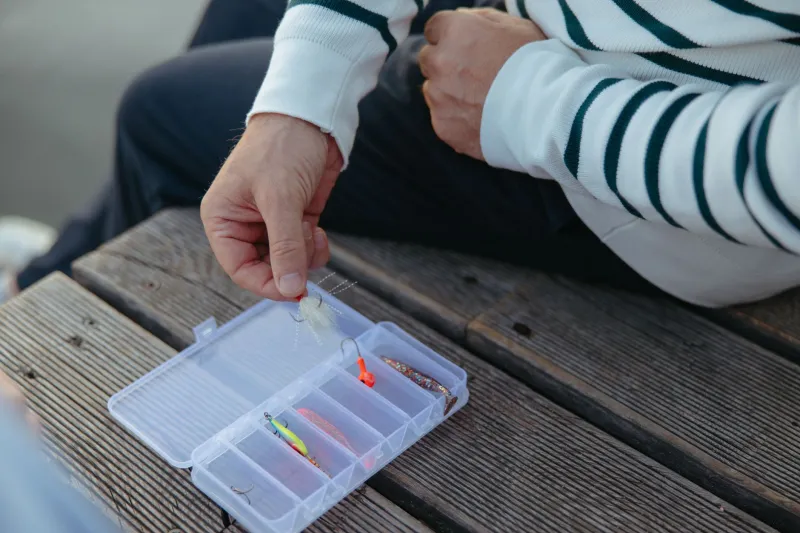
Gear selection is your first real decision point. In urban environments, lost terminal tackle doesn't just cost you money—it lingers. Lead split shot and jig heads accumulate in high-pressure spots, posing ingestion risks to waterfowl and bottom-feeding fish. Swap to tungsten or bismuth weights wherever possible. They're denser, meaning you can use smaller sizes for the same sink rate, and they don't carry lead's toxicity profile.
Soft plastics are another consideration. Standard petroleum-based soft baits don't break down meaningfully in the environment. If you're fishing urban spots where snags are frequent and losses are inevitable, look into biodegradable soft plastics from brands experimenting with plant-based compounds. They're not perfect yet—durability is still a work in progress—but for high-snag urban structure fishing, losing a bait that'll eventually break down beats leaving a chunk of plastic indefinitely.
For line, fluorocarbon and monofilament both persist in the environment when lost. Carry a small pair of scissors and cut any lost line close to the snag rather than pulling and breaking it mid-column. Better yet, bring a trash bag and pick up any monofilament you spot along the bank. Urban fishing spots collect line tangles at a rate that would genuinely shock most anglers.
Working the Banks Without Wrecking Them
Urban shorelines are often doing more ecological work than they look like they're doing. Riparian vegetation—those scraggly willows, sedges, and native grasses crowding the banks—stabilizes soil, filters runoff, and provides spawning and juvenile habitat. Trampling it repeatedly opens erosion channels that dump sediment directly into the water column, smothering spawning beds and reducing water clarity.
Stick to established access points. If there's a worn path, use it—don't create a new one for a slightly better casting angle. If you're fishing a spot that doesn't have established access, pick your entry carefully and return via the same route. One careful angler creates minimal damage. Twenty anglers each picking their own line through the vegetation creates a mess that takes seasons to recover.
Wading in urban waterways deserves special thought. Disturbing bottom substrate stirs up sediment that can smother redds and reduce dissolved oxygen. In slower urban rivers and reservoirs, that sediment takes longer to resettle than in high-gradient streams. If you're wading, move slowly, minimize shuffling, and avoid areas with visible spawning activity—look for cleared, gravelly patches and give them a wide berth.
Catch-and-Release in Urban Fisheries
Urban fish populations often face more stress than their rural counterparts—warmer water temperatures from heat island effects, higher angling pressure, and reduced habitat complexity all tax fish physiologically. That makes good release practice more important, not less.
Keep fish in the water as much as possible. Use a rubberized net to reduce slime coat removal. Barbless hooks or crimped barbs make releases faster and less traumatic. If you're fishing in summer when water temperatures push above 70°F in warmwater systems, or above 65°F in trout water, consider dialing back your session—stressed fish in warm water have significantly lower post-release survival rates.
For species like channel catfish and common carp—often the dominant catches in urban systems—don't dismiss them as trash fish. They're part of the functioning ecosystem, and in many urban waterways, they're the species supporting the food web that makes more glamorous predators possible.
Urban Fishing as a Conservation Feedback Loop
Here's the part that doesn't get said enough: urban anglers are often the most important conservation constituency a fishery has. Rural fisheries have vocal advocacy communities, dedicated clubs, and established political relationships. Urban waterways frequently don't—unless local anglers show up and make noise.
Get involved with your local watershed council or urban fisheries program. Many cities have volunteer habitat improvement days where anglers help with bank revegetation, trash cleanups, and habitat structure installation. Organizations like the American Fisheries Society and Trout Unlimited have urban chapters specifically focused on city waterways. Your participation—even just a few hours a year—creates political will for continued restoration funding.
Report what you observe. Unusual fish kills, visible pollution events, illegal dumping near waterways—most state fish and wildlife agencies have reporting hotlines. Urban waterways often lack the consistent monitoring that rural fisheries receive, which means angler observations are genuinely valuable data points.
The concrete jungle's fishing opportunities are real, and they're growing. Show up for them the right way, and you become part of the reason they keep getting better.