Cast Here, Give Back: 7 US Fishing Spots Where Your License Fee Does Real Conservation Work
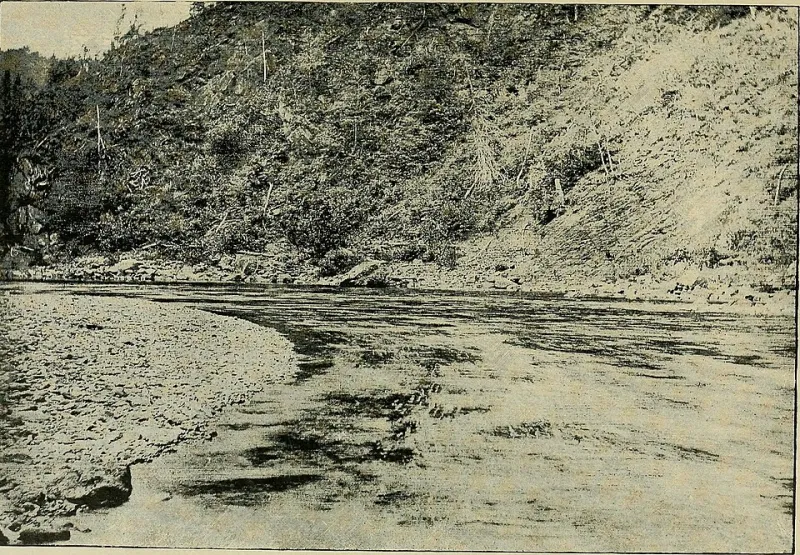
Photo: Internet Archive Book Images, No restrictions, via Wikimedia Commons
Every time you buy a fishing license, you're casting a vote — for clean water, healthy fish populations, and the kind of wild places worth protecting. Thanks to the Federal Aid in Sport Fish Restoration Act (better known as the Dingell-Johnson Act), a percentage of every license fee and fishing equipment excise tax gets funneled back into fisheries management and habitat work across the country.
But some destinations make that connection unusually visible. These are the spots where you can watch the restoration happening in real time, where the fish populations tell the story of recovery, and where showing up with a rod in hand is a genuinely meaningful act. Here are seven worth putting on your map.
1. Rock Creek, Montana — Stream Restoration in the Big Sky
What makes it special: Rock Creek is one of Montana's most beloved wild trout fisheries — a freestone stream that holds healthy populations of westslope cutthroat, brown trout, and rainbow trout across nearly 50 miles of public access water.
The conservation work: License revenues routed through Montana Fish, Wildlife & Parks have funded significant bank stabilization and riparian replanting projects along Rock Creek's tributaries, addressing erosion from historic grazing and road damage. Work has included large woody debris placement to restore natural channel structure — the kind of habitat that juvenile trout depend on.
Your contribution: Montana's combination license includes a habitat conservation fee that goes directly to in-state restoration projects. When you fish Rock Creek, you're supporting one of the most active wild trout recovery programs in the Northern Rockies.
Pro tip: Late June through September is prime dry fly season. The pale morning dun hatches on Rock Creek are legendary.
2. Everglades National Park, Florida — Mangrove and Seagrass Recovery
What makes it special: The backcountry flats of Everglades National Park offer some of the most extraordinary light-tackle fishing in North America — snook, redfish, tarpon, and sea trout in a landscape that feels genuinely prehistoric.
The conservation work: Florida's recreational saltwater license fees contribute to the Comprehensive Everglades Restoration Plan, the largest ecosystem restoration effort in US history. Specific projects include mangrove replanting along degraded shorelines and seagrass restoration in Florida Bay, both of which are critical nursery habitat for the species anglers prize most.
Your contribution: Florida's annual saltwater fishing license includes a portion directed to the Florida Fish and Wildlife Conservation Commission's habitat restoration fund. Guided trip fees in the park also contribute to National Park Service conservation programs.
Pro tip: Hire a local guide — not just for the fishing, but because guides in this area are often deeply involved in restoration advocacy and can show you exactly where the habitat work is happening.
3. Deschutes River, Oregon — Native Steelhead Comeback
What makes it special: The lower Deschutes is one of the Pacific Northwest's iconic steelhead rivers, with wild summer steelhead runs that draw serious fly anglers from across the country. The canyon scenery alone is worth the trip.
The conservation work: Oregon Department of Fish and Wildlife, partly funded through license revenues, has partnered with the Confederated Tribes of Warm Springs on tributary restoration projects targeting native steelhead spawning habitat. Culvert removal and riparian buffer planting have reopened miles of spawning gravel that had been inaccessible for decades.
Your contribution: Oregon's combined angling license includes a Columbia River endorsement fee, a portion of which funds anadromous fish recovery — including the wild steelhead work on the Deschutes system.
Pro tip: The lower canyon section between Maupin and the Columbia is the most accessible. Camp streamside and you'll have first light to yourself.
4. Lake Erie, Ohio/Pennsylvania — Walleye Habitat Enhancement
What makes it special: Lake Erie hosts one of the most productive walleye fisheries in the world. The western basin in particular draws serious tournament anglers, but even casual weekend fishers can find consistent action.
The conservation work: Great Lakes Restoration Initiative funding, supplemented by state license fees from Ohio, Pennsylvania, and Michigan, has powered artificial reef construction and nearshore habitat restoration projects designed to improve walleye spawning success. Underwater habitat structures placed in key areas have measurably increased juvenile walleye survival rates.
Your contribution: Ohio's Lake Erie permit fee (required in addition to the standard license) goes directly into Lake Erie management programs. It's one of the most transparent license fee-to-project pipelines in the country.
Pro tip: March through May is prime walleye season in the western basin. Sandusky Bay and the reefs near Kelleys Island are consistent producers.
5. White River, Arkansas — Cold-Water Trout Tailwater Success Story
What makes it special: Below Bull Shoals Dam, the White River runs cold and clear year-round, creating a blue-ribbon tailwater trout fishery that produces trophy brown trout in a state most people don't associate with world-class fishing.
The conservation work: Arkansas Game and Fish Commission, using license revenues and Dingell-Johnson funds, has invested heavily in catch-and-release zone management, stocking program refinement favoring wild-origin fish, and riparian corridor restoration along White River tributaries. The results are measurable — trophy-class brown trout populations have expanded significantly over the past decade.
Your contribution: Arkansas's trout license fee (required for fishing tailwater zones) funds the White River trout program directly. It's a textbook case of angler dollars producing angler results.
Pro tip: The catch-and-release section near Cotter is worth the visit even if you're an experienced angler — the fish are big, educated, and will absolutely humble you.
6. Chesapeake Bay, Maryland/Virginia — Blue Crab and Striped Bass Restoration
What makes it special: The Chesapeake is the largest estuary in the US and home to one of the most culturally significant fishing traditions on the East Coast. Striped bass (rockfish to locals), bluefish, and flounder are the main draws, but the whole ecosystem is the experience.
The conservation work: The Chesapeake Bay Program, co-funded by state license fees and federal appropriations, has achieved measurable improvements in underwater grass coverage — a key indicator of bay health and juvenile fish habitat. Bay grasses hit a 35-year high in recent survey data, directly tied to nutrient reduction and restoration planting programs.
Your contribution: Maryland's Chesapeake Bay and Coastal Sport Fishing License includes a habitat fund component. Virginia's saltwater license contributes similarly. Between the two states, angler fees represent a meaningful slice of the Bay Program's restoration budget.
Pro tip: Fall rockfish season on the Bay is bucket-list fishing. Trolling the main channel near the Bay Bridge produces consistent action on big fish.
7. Upper Colorado River, Colorado — Native Fish Recovery
What makes it special: The upper Colorado and its tributaries support one of the most ambitious native fish recovery programs in the American West, targeting four endangered species: the humpback chub, razorback sucker, Colorado pikeminnow, and bonytail. But it's also legitimately excellent fishing for non-native species in spectacular canyon country.
The conservation work: Colorado Parks and Wildlife, through license fees and partnerships with the Upper Colorado River Endangered Fish Recovery Program, funds fish passage improvements, non-native species management, and flow restoration agreements with water rights holders. It's complex, long-term conservation work — and it's making a difference.
Your contribution: Colorado's fishing license includes a small wildlife cash fund surcharge that supports native species recovery. Anglers who voluntarily participate in tagged fish reporting programs contribute data that directly informs recovery decisions.
Pro tip: The Glenwood Canyon stretch is stunning and often overlooked. Check CPW regulations carefully — some sections have special restrictions to protect recovery work.
Your License Is a Conservation Tool
The next time you fill out that license renewal — online at your state wildlife agency's site, or through a retailer like us — remember that it's not just paperwork. It's a funding mechanism for some of the most meaningful conservation work happening in the country right now.
Choose your destinations with intention. Fish places where the work is visible and the impact is real. And when you're standing in that Montana stream or drifting a Florida flat, know that you helped make it possible.
That's the Fish Habit Outfitters philosophy: Gear up, cast out, and protect what you love — one license fee at a time.