Fish More, Burn Out Less: Designing a Fishing Routine That Actually Sticks
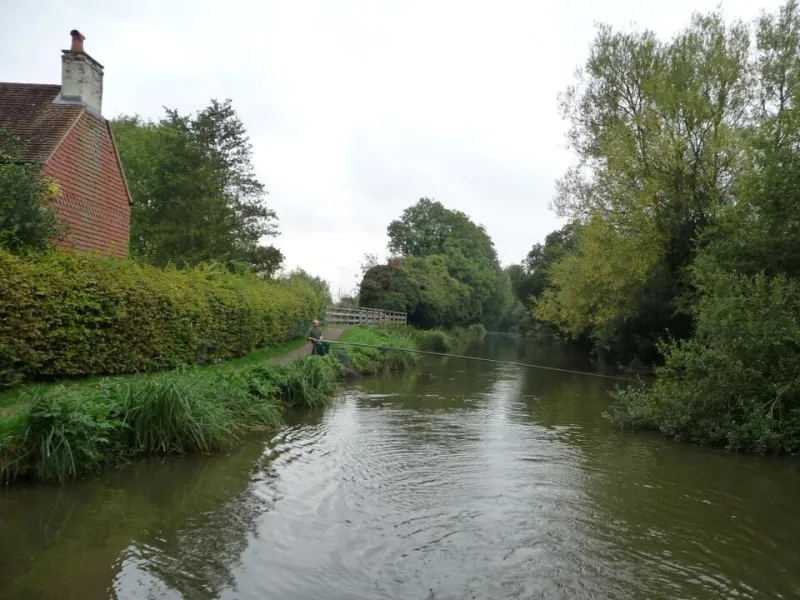
Photo: Christine Johnstone , CC BY-SA 2.0, via Wikimedia Commons
There's a moment most serious anglers know well. You've planned a Saturday trip for weeks. The alarm goes off at 4:30 a.m., and instead of that familiar spark of anticipation, you feel something closer to dread. You go anyway. You catch nothing. You drive home wondering when fishing started feeling like a chore.
If that sounds familiar, you're not alone — and you're not losing your love for the sport. What you're experiencing is what behavioral scientists call habit fatigue: the point where a once-rewarding behavior starts triggering resistance instead of motivation. The good news? It's entirely fixable. And understanding a little bit about how habits actually form can completely change the way you approach your time on the water.
Why Habits Break Down (Even the Good Ones)
Behavioral researchers at places like MIT and Stanford have spent decades studying the mechanics of habit formation. The short version: habits operate on a loop — cue, routine, reward. When all three elements are well-matched to your life, a habit becomes almost automatic. When they fall out of alignment, the loop breaks.
For anglers, this often happens gradually. You start fishing every weekend because the reward is huge — solitude, excitement, connection with nature. But then life shifts. Kids get older. Work gets heavier. The cue (Saturday morning) stays the same, but the reward starts competing with everything else pulling at your attention. Eventually, the routine feels forced.
Troy Henson, a fly fisherman from Bozeman, Montana, described it perfectly: "I was fishing every single weekend out of habit, not out of want. By October, I resented my own waders. I took a month off and came back completely recharged — but I also came back smarter about when I actually wanted to fish versus when I thought I was supposed to."
That distinction — want versus supposed to — is where most fishing routines either thrive or collapse.
Start With Your 'Why,' Not Your Schedule
Before you map out a fishing calendar, it's worth asking yourself what fishing actually gives you. Stress relief? Physical activity? A reason to study ecosystems? Time with your kids? Social connection with a crew of buddies?
Your honest answer should shape the structure of your routine more than any tide chart or hatch calendar. If fishing is your primary decompression tool, short, frequent trips might serve you better than marathon weekend sessions. If it's about bonding with your teenage daughter, picking two or three meaningful outings a season — ones she actually wants to go on — beats dragging her out every other Saturday.
This isn't about fishing less. It's about fishing right.
Build Around Seasonal Rhythms, Not Arbitrary Consistency
One of the most common mistakes anglers make when trying to build a routine is forcing year-round consistency. Nature doesn't work that way, and neither should you.
Fishing has natural seasons — not just in terms of species behavior, but in terms of your own energy and availability. Many anglers find they're most motivated in spring, when everything is waking up and the anticipation has been building all winter. Others peak in fall, chasing aggressive pre-winter feeding patterns. Some genuinely love winter fishing for its solitude and challenge.
Knowing your personal "peak season" lets you invest more during the months that energize you and give yourself permission to pull back during the ones that don't. A lighter summer routine, for example, might mean one evening trip per week after work rather than full weekend commitments. That's not slacking — that's sustainability.
Carla Nguyen, a bass angler and conservation volunteer from central Texas, has fished the Highland Lakes region for over fifteen years. She now plans her season in three distinct phases: high-intensity spring fishing (three to four trips per month), a relaxed summer schedule built around early mornings only, and a focused fall push targeting largemouth on their pre-winter patterns. "When I stopped trying to fish the same amount every single month, I stopped burning out," she said. "Now I look forward to every phase."
The Micro-Trip Strategy
Here's a practical tool that's changed the game for a lot of anglers dealing with packed schedules: the micro-trip. Instead of waiting for that perfect four-hour window, start treating 45-minute outings as legitimate fishing experiences.
A quick stop at a local pond before work. Twenty minutes at a creek on your lunch break. A half-hour session from a bank you've driven past a hundred times. These trips don't replace longer outings, but they keep you connected to the water between them — maintaining the habit loop without demanding a huge time investment.
Micro-trips also have an underrated conservation benefit. When you're fishing close to home more often, you naturally pay closer attention to the health of local waterways. You notice the algae bloom that wasn't there last week. You spot the eroded bank. You become, almost by accident, a more engaged habitat steward.
Protect the Relationships Around Your Habit
No fishing routine exists in a vacuum. The anglers who sustain long-term habits are almost always the ones who've figured out how to fish with their relationships rather than around them.
That means having honest conversations with your partner about what your fishing time looks like and what it gives you. It means being flexible when the family calendar has a legitimate conflict. It also means holding your fishing time with enough respect to actually protect it — because if you're constantly canceling, the habit never solidifies.
A few practical moves that help: Put your planned fishing days in the shared family calendar at the start of each month. Trade off — if you fish Saturday morning, you're fully present Saturday afternoon. And when family members show interest in joining you, say yes even if it means fishing a slower spot or keeping it short. Those trips have a way of becoming the ones you remember longest.
Conservation as a Habit Anchor
One of the most effective ways to keep your fishing routine meaningful — not just habitual — is to tie it to something larger than the catch count. Anglers who incorporate conservation practices into their regular outings consistently report higher long-term satisfaction with the sport.
This doesn't have to be elaborate. Picking up trash on your way back to the car. Practicing careful catch-and-release on pressured waters. Keeping a simple log of species, water temperatures, and conditions that you eventually share with a local fisheries group. These small acts add a layer of purpose to every trip, which is exactly what keeps a habit from feeling hollow.
At Fish Habit Outfitters, we talk a lot about what it means to gear up and protect what you love. That starts with protecting your own relationship with the sport — building a routine that's honest, flexible, and genuinely yours.
The Reset Button Is Always There
If you're already in burnout territory, the most important thing to know is this: taking a break is not quitting. Stepping away from fishing for a few weeks — or even a full season — with the intention of coming back is one of the healthiest things you can do for a long-term habit.
Come back with fewer expectations. Fish a new spot. Try a different technique. Bring someone who's never held a rod. Let yourself be a beginner again for a day.
The water will still be there. And when you come back ready, it'll feel exactly like it used to.