Hooked by Design: How Tackle Brands Turned Your Buying Habits Against You
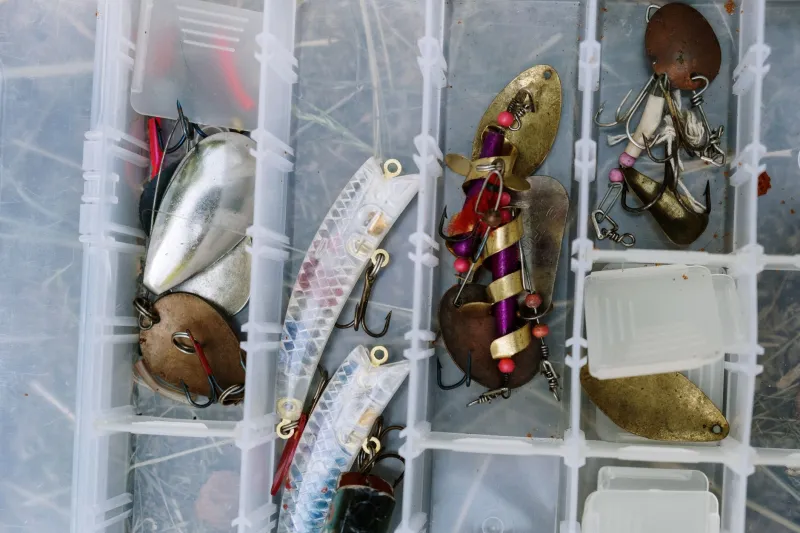
Open any serious angler's tackle room and you'll find it: the graveyard of good intentions. Crankbaits still in the package. Soft plastics in colors that seemed irresistible at the shop but have never seen water. Jig heads in three sizes when you really only throw two. Most of us chalk it up to being passionate about fishing. And sure, that's part of it. But there's another force at work here — one that's been carefully engineered by people who understand your brain better than you might be comfortable admitting.
Fishing tackle manufacturers aren't just making gear. They're building systems designed to keep you coming back, spending more, and feeling like you need things you don't. Once you see how the machine works, you can't unsee it. And that's actually a good thing.
The Seasonal Color Drop: Urgency as a Business Model
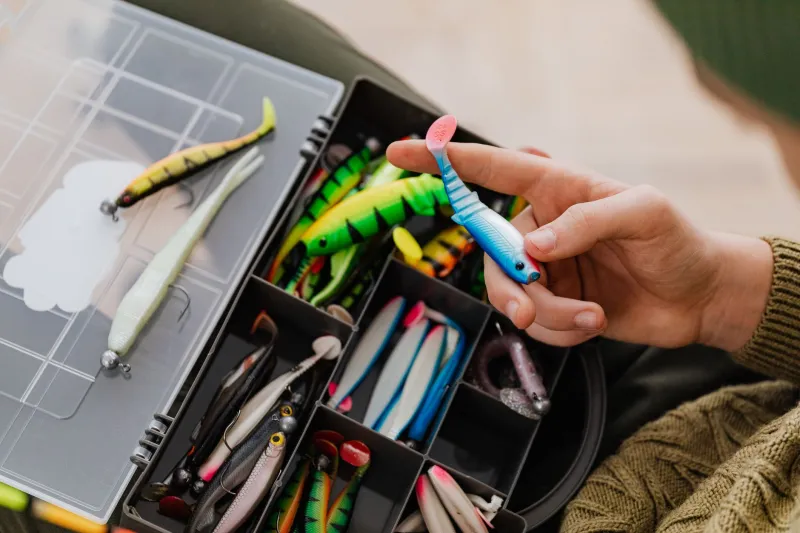
Every spring, the same ritual plays out across the fishing industry. Brands drop "new" color palettes for lures, soft baits, and hard bodies — many of which are functionally identical to what they sold the year before. Chartreuse gets rebranded as "nuclear shad." A slightly different flake pattern in a swimbait tail becomes a limited run that "won't last."
This isn't accident. It's a deliberate application of scarcity psychology. When something feels rare or time-limited, the human brain assigns it more value than it probably deserves. Marketers call it artificial scarcity, and tackle companies have mastered it. The color that "crushed it on Guntersville" last March isn't magic — but the story attached to it absolutely is.
The fix? Before buying any new color variation, ask yourself whether you've actually exhausted the versions already in your box. Spoiler: you probably haven't.
Social Proof and the Influencer Pipeline
Pro staff culture has been part of fishing forever, but the rise of social media transformed it into something far more powerful — and far more targeted. Today's fishing influencers aren't just ambassadors for a brand. They're behavioral triggers embedded directly in your daily scroll.
When you watch a tournament angler pull a five-pound largemouth on a specific jig three times in one video, your brain starts building an association. That jig equals fish. That's not journalism or product review — that's sponsored content engineered to feel like a tip from a buddy. The line between genuine advice and paid promotion has never been blurrier, and the tackle industry has leaned into that ambiguity hard.
Some influencers are transparent about their deals. Many aren't. A good rule of thumb: if someone is wearing a brand's hat, holding their rod, and using their terminal tackle in every single video, treat their gear recommendations the same way you'd treat a car salesman's opinion on which car you should buy.
The Kit-ification of Everything
One of the subtler tactics in the tackle industry's playbook is what you might call kit-ification — the bundling of products in ways that force you to buy more than you need in order to get the one thing you actually want.
This shows up in a few different ways. Soft plastics sold in larger quantities than most anglers will realistically use before they dry out. Rod and reel combos where one component is excellent and the other is mediocre, nudging you toward an upgrade sooner than necessary. Tackle storage systems designed to be brand-specific, so adding new compartments means staying within one ecosystem.
None of this is illegal. Some of it even offers genuine value. But it's worth recognizing that the packaging decisions being made in a product development meeting somewhere are not being made with your storage situation in mind.
The Upgrade Cycle and the Problem of "Good Enough"
Technology genuinely does improve. Rods get lighter. Reels get smoother. Line formulations advance. But the pace at which tackle companies release "new" versions of existing products has very little to do with actual technological leaps and almost everything to do with keeping purchase cycles short.
The rod you bought four years ago probably still fishes beautifully. The reel you've had for six seasons likely has another decade of life in it with basic maintenance. But marketing language is carefully designed to make last year's gear feel obsolete — words like "next generation," "redesigned blank," and "proprietary technology" do a lot of heavy lifting to manufacture dissatisfaction with perfectly functional equipment.
Here's the honest truth: for most recreational anglers, the gear ceiling for diminishing returns arrives pretty quickly. Beyond a certain point, additional investment in equipment doesn't catch you more fish. It catches you more gear.
What Intentional Buying Actually Looks Like
None of this is an argument against buying fishing gear — that would be a strange position for us to take. It's an argument for buying with your eyes open.
A few practical shifts make a real difference:
Build a use-it-before-you-buy-it rule. Before adding a new lure style or color to your collection, commit to throwing what you already own for a full season. You'll be surprised how often the "missing" bait was already in your box.
Research before you retail. Independent forums, long-form reviews from non-sponsored anglers, and old-school fishing reports cut through the noise in ways that brand content never will. The fishing communities on platforms like Reddit's r/Fishing or regional Facebook groups are refreshingly honest about what actually catches fish.
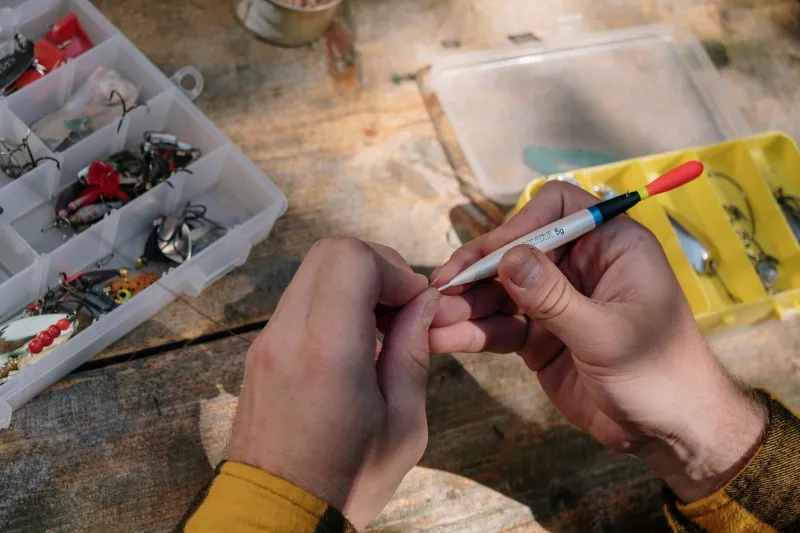
Audit your tackle annually. Once a year, lay everything out and ask yourself what you've actually thrown in the last twelve months. Whatever hasn't seen water in two seasons probably never will. Donate it, trade it, or sell it — and let that audit inform what you actually need going forward.
Spend toward quality and longevity. One well-made rod that lasts fifteen years is better for your wallet and, frankly, better for the planet than three budget rods that end up in a landfill. The conservation math on durable gear is better than most people realize.
The Conservation Angle You Might Not Have Considered
Here's where this conversation connects to something bigger than your tackle room. The fishing industry generates enormous amounts of plastic waste — soft baits, packaging, worn-out gear — and a culture of overconsumption doesn't help. Every unnecessary purchase is a small environmental cost. Multiply that across millions of anglers and the numbers get real fast.
Buying intentionally isn't just a financial move. It's a conservation stance. When you choose quality over quantity, durable over disposable, and function over novelty, you're making a choice that ripples outward. You're also sending a market signal — however small — that performance matters more than packaging.
The brands building genuinely better, longer-lasting products deserve your dollars. The ones selling you last year's jig in a new color wrapper every spring? They'll survive without your help.
Fishing is a habit worth building. Buying fishing gear compulsively is a different habit entirely — and now that you know how it got built, you've got every tool you need to start dismantling it.