Why You Keep Buying Lures You'll Never Throw: The Real Psychology Behind Tackle Obsession
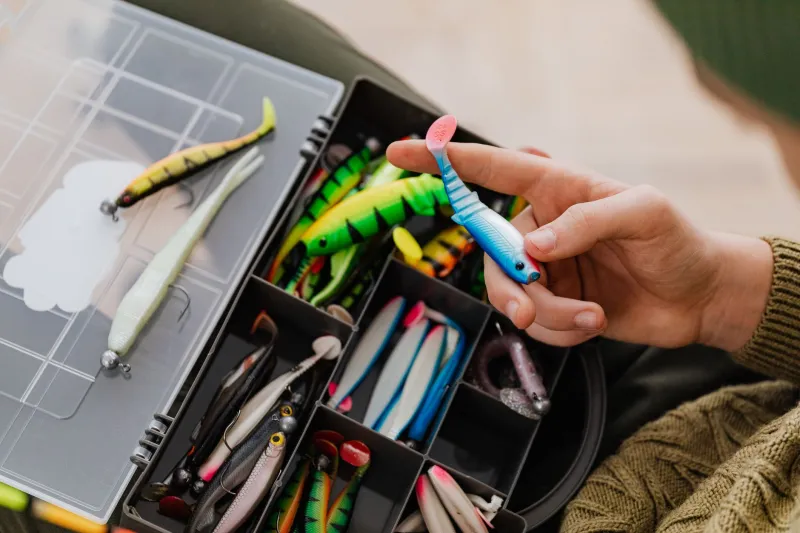
Let's be honest for a second. You've got lures you've never wet. Reels still in the box. A rod you bought "for a specific situation" that hasn't seen a single cast. And yet, the moment a new Bass Pro catalog hits your mailbox or a sponsored Instagram reel shows off some slick new jig head, something fires in your chest that feels a lot like hunger.
You're not broken. You're not even unusual. You're just wired the same way every other angler who's ever walked into a tackle shop "just to look" is wired. The science behind gear obsession is real, it's fascinating, and honestly—it explains a whole lot about why fishing culture is the way it is.
Your Brain on Browsing
Here's what's actually happening when you flip through a tackle catalog or scroll a fishing gear site at 11 p.m.: your brain is releasing dopamine. Not when you buy something—when you anticipate buying it. That's the twist most people miss.
Neuroscientists call this the wanting system. Your brain's reward circuitry, particularly the nucleus accumbens, gets lit up by the possibility of reward, not just the reward itself. The browse, the scroll, the "add to cart" hover—that's where the chemical rush lives. The actual UPS box on your porch? That's almost secondary.
This is why fishing gear companies have spent decades perfecting catalogs. Those glossy pages aren't just product listings. They're dopamine delivery systems. Every photo of a lunker largemouth next to a new swim jig, every "new for this season" badge, every customer review claiming this lure "outfished everything in the box"—it's all engineered to keep your wanting system running hot.
The Habit Loop Nobody Talks About
Charles Duhigg's framework on habit formation maps onto gear acquisition almost embarrassingly well. There's a cue (slow season, a bad fishing day, a friend's catch photo), a routine (browsing, reading reviews, watching unboxing videos), and a reward (the dopamine hit of anticipation, the satisfaction of a purchase, the tactile pleasure of organizing new gear).
Repeat that loop enough times and it becomes automatic. You don't even realize you've opened a new browser tab to check lure prices until you're already three pages deep into a fluorocarbon comparison thread on Reddit.
The fishing industry didn't create this loop on purpose—but it's absolutely benefited from it. And there's nothing inherently wrong with that. Gear investment is a legitimate part of the sport. Good equipment does matter. The problem creeps in when the loop starts running on autopilot, when buying becomes a substitute for fishing rather than a complement to it.
The Unboxing High Is Real (But It Fades Fast)
If you've ever torn into a fishing gear package with the energy of a kid on Christmas morning, you already know the unboxing experience hits different. There's a reason unboxing videos rack up millions of views across YouTube—it's participatory dopamine. Watching someone else open gear triggers a mild version of the same anticipation response in the viewer.
But here's the catch (no pun intended): the high from acquiring new gear has a short half-life. Within a few days, that new reel sitting on your desk starts to feel like just another reel. The wanting system, always hunting for the next spike, starts scanning for the next target.
This is called hedonic adaptation, and it's why your tackle collection grows faster than your actual fishing hours. The gear delivers diminishing returns on that emotional buzz, so your brain keeps pushing you toward the next acquisition to chase the original feeling.
Organization as a Coping Mechanism
Here's something worth sitting with: a lot of anglers find genuine peace in organizing their gear. Sorting lures by color, arranging terminal tackle by size, building out a perfectly dialed tackle tray—it's almost meditative. And that's not an accident.
Organization scratches a different itch than acquisition. It provides a sense of control and mastery, which produces its own mild reward signal. It also keeps you physically connected to your gear, which reinforces your identity as an angler even during off-season or slow stretches. There's real psychological value in that ritual—just recognize it for what it is rather than using it to justify buying more stuff you don't need to organize.
Buying Smarter Without Killing the Joy
None of this is meant to make you feel guilty about loving gear. The joy is real. The craft of selecting the right equipment, learning what works for your local waters, investing in tools that genuinely improve your fishing—that stuff matters. At Fish Habit Outfitters, we're not here to tell you to stop loving tackle. We're here to help you love it better.
A few things that actually help:
Introduce a waiting period. Put gear in your cart and leave it there for 72 hours. If you still want it after three days, it's probably a real need rather than a dopamine chase.
Fish what you own. Before you buy anything new, commit to a full season of actually using what's already in your boxes. You'll be surprised how much "forgotten" gear suddenly starts performing when you give it real time on the water.
Get specific with your gaps. Before any purchase, write down the exact situation where your current gear falls short. If you can't name it clearly, you probably don't need the new thing.
Redirect the browse habit. When the urge to shop hits, swap the gear catalog for fishing reports, habitat maps, or conservation updates. You'll still be engaged with the sport—but you'll come out of the session with something more useful than another impulse purchase.
Invest in quality over volume. One great rod you'll fish for ten years beats four mediocre ones that collect dust. The dopamine hit is smaller upfront, but the satisfaction runs longer and the gear actually earns its place.
The Deeper Connection
At the end of the day, the gear obsession isn't really about gear. It's about belonging to something. Every tackle box is a little autobiography—a record of trips taken, species chased, seasons survived. The wanting is partly about the fishing you plan to do, the angler you're becoming.
That's worth honoring. Just don't let the loop run so hot that it keeps you in the shop when you should be on the water. Because the biggest dopamine hit this sport has to offer isn't in a catalog. It's in the moment a line goes tight and the world snaps into focus.
Your brain already knows that. It's just easy to forget when the new fall lure lineup drops.