Old School Meets New Wave: How the Next Generation Is Quietly Rewriting Fishing Culture
There's a moment that happens on rivers and reservoirs all across the country. An older angler watches a younger one pull out a phone before they even reach for the net. Maybe there's a quick video, a couple of tagged photos, a post to an online community — and then, almost as an afterthought, the fish slips back into the water. No cooler. No stringer. No question about it.
For some folks who grew up keeping their catch as a matter of pride and practicality, it can feel like fishing has changed beyond recognition. But here's the thing: it has changed, and in a lot of ways, that's worth paying attention to.
A Different Entry Point
Millennials and Gen Z didn't necessarily learn to fish the same way their parents or grandparents did. A lot of them didn't have a grandfather with a tackle box and a jon boat waiting for them. Instead, they found fishing through YouTube tutorials, Reddit threads, Instagram pages, and TikTok accounts run by anglers who looked and sounded like them.
That digital entry point changes everything. When your first exposure to fishing is a 12-minute video where the host talks about habitat degradation before they even make their first cast, conservation isn't an add-on — it's part of the foundation.
Take Marcus, a 26-year-old from Tennessee who started bass fishing during the pandemic lockdowns after watching YouTube videos for three months straight. "I learned about the importance of proper fish handling before I ever caught my first fish," he says. "It wasn't even a debate in the communities I was part of. You wet your hands, you keep the fish in the water as much as possible, you release it healthy. That was just the culture."
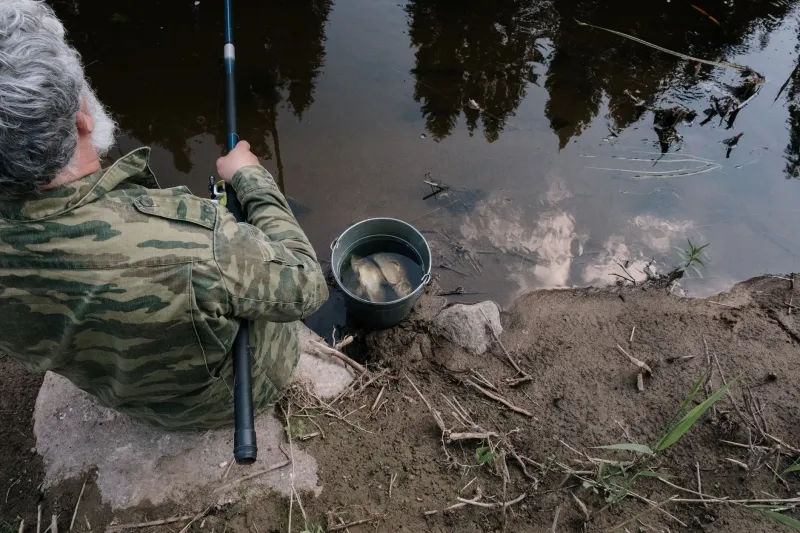
Contrast that with how many anglers over 50 were introduced to fishing — through family tradition, where keeping fish for dinner was the whole point of the trip. Neither approach is wrong. But they produce very different default behaviors.
The Social Media Effect
Love it or hate it, social media has become one of the most powerful forces shaping modern fishing culture. And younger anglers are using it in ways that older generations often find baffling.
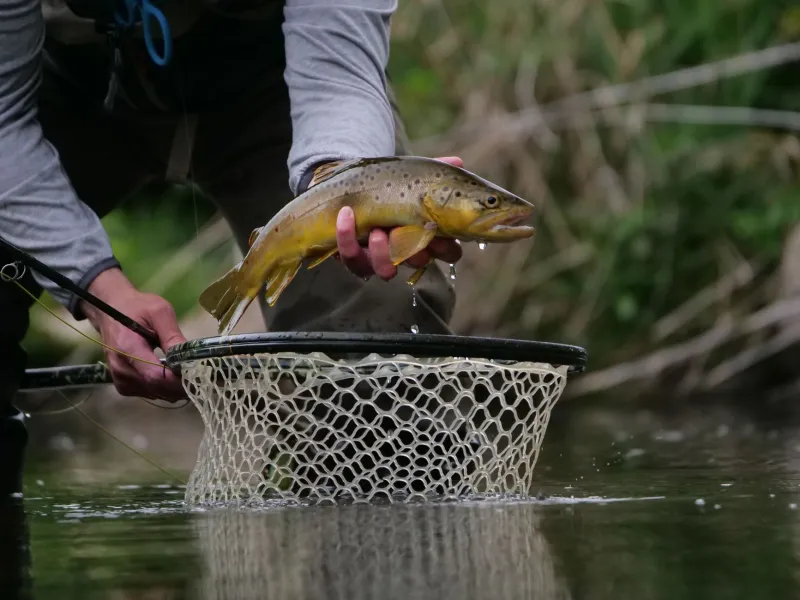
The catch-and-release photo is now almost a genre unto itself. The grip-and-grin hasn't gone away, but it's evolved. Today's version often includes a quick educational caption about the species, the habitat, the water conditions — and a clean release. Followers expect it. Communities reinforce it. Peer pressure, for once, is doing something genuinely useful.
"There's accountability built into it," says Priya, a 29-year-old fly angler from Colorado who runs a small Instagram account focused on front range trout fishing. "If I posted a photo of a fish held out of the water for 45 seconds with dry hands, I'd hear about it immediately. And honestly, that's a good thing. It keeps everyone honest."
That kind of real-time community accountability is something older fishing organizations have struggled to manufacture through campaigns and signage for decades. Younger anglers are doing it organically, at scale, for free.
Where the Friction Shows Up
Of course, it's not all harmony between generations. The tensions are real, and they show up in specific places.
Harvest is probably the biggest fault line. Older anglers often see keeping fish as a legitimate, even important, part of fishing culture — a way of honoring the resource, filling the freezer, and maintaining a connection to subsistence traditions. Younger anglers, particularly those in urban areas with less food-security need and more exposure to conservation messaging, tend to default to release.
This creates friction in online spaces and sometimes on the water. "I've had older guys at the boat ramp give me a hard time for releasing a walleye," says Derek, a 31-year-old from Minnesota. "Like I was doing something wrong. And I get it — that's how they grew up. But the lake I fish has been under pressure for years. I'm not going to keep fish from a stressed population just to avoid an awkward conversation."
On the flip side, some veteran anglers feel dismissed by younger fishing communities that treat any harvest as ethically suspect. "I've been fishing these rivers for 40 years," says one angler in his 60s who asked not to be named. "I know these fish. I know these watersheds. And I've watched them come back from a lot worse than they're in now. Sometimes I feel like the new crowd thinks conservation started when they discovered it."
That's a fair point. Institutional knowledge matters enormously. The anglers who've been watching specific bodies of water for decades carry ecological memory that no amount of social media engagement can replicate.
Why Both Perspectives Are Essential
Here's what the generational conversation often misses: conservation doesn't have a single winning strategy. It requires long-term institutional knowledge AND fresh energy. It needs people who remember what a river looked like 30 years ago AND people who are going to be fishing it 30 years from now.
Older anglers bring something irreplaceable to the table — baseline data, hard-won relationships with land managers and fisheries biologists, and a credibility that comes from decades of showing up. Younger anglers bring reach, urgency, and a willingness to talk about habitat and ethics in spaces where those conversations would never have happened before.
The organizations doing this best right now are the ones that deliberately build bridges between those cohorts. Mentorship programs that pair veteran anglers with younger ones aren't just about teaching knots and reading water — they're about transferring ecological memory before it's lost. And when those mentorships run in both directions, when the older angler also learns something about digital outreach or updated handling practices, everyone wins.
What This Means for the Future
The next 20 years of freshwater conservation in the US will be shaped significantly by whether these two fishing cultures find common ground. The stakes are high. Climate change, agricultural runoff, development pressure, and invasive species aren't slowing down. Fisheries need all the advocates they can get — and those advocates need to be pulling in the same direction.
The good news is that the core motivation is identical across generations. People fish because they love it. They love the water, the challenge, the quiet, the connection. That shared love is the foundation everything else can be built on.
So the next time you're at the ramp and someone's doing something that feels foreign to how you learned to fish, maybe start a conversation instead of a judgment. You might find out you're both trying to protect the same thing — you're just coming at it from different directions.
And honestly? That's exactly what the fish need.